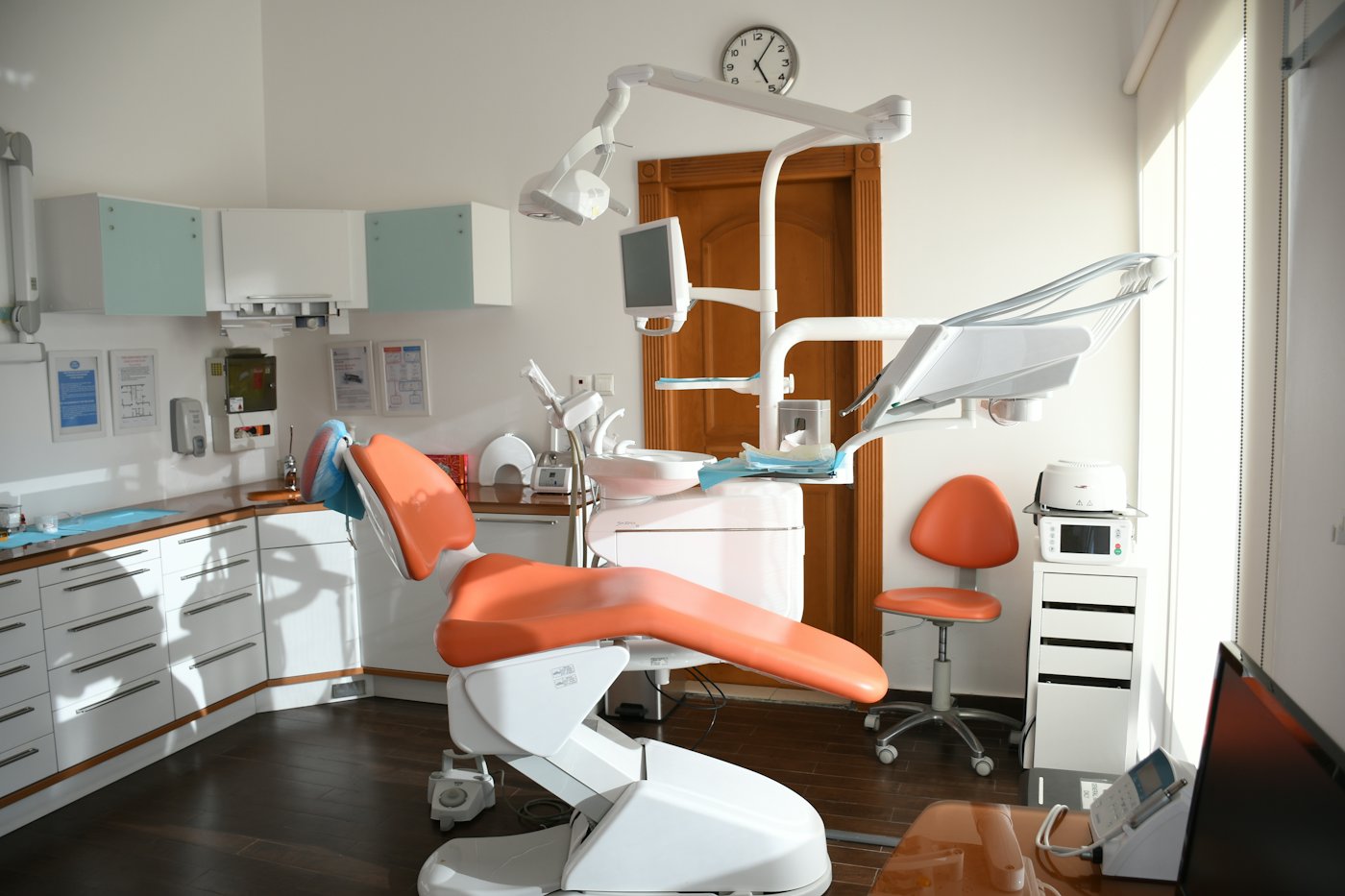
Outpatient GP Panel Insurance in Singapore: How It Works
What an outpatient GP panel is, how it differs from reimbursement, what the Employment Act already requires, and how the 1% and 2% tax caps apply.
An outpatient GP panel in Singapore is a list of clinics where an insured employee sees a doctor without paying the consultation fee at the counter. The clinic bills the insurer. The panel is one of 2 ways to deliver group outpatient cover; the other reimburses the employee after a visit to any clinic. Panel products set minimum headcounts, with one published plan starting at 20 employees.

What an outpatient GP panel is
Group outpatient insurance pays for primary care visits for employees. A panel plan delivers it through a network of general practitioner clinics contracted by the insurer or administrator. The employee shows an e-card or app at a listed clinic, is treated, and leaves without paying the covered consultation and medication charge. The clinic submits the bill to the insurer at a pre-agreed rate.
Three features define the panel model.
- Cashless: the employee pays nothing, or a fixed co-payment, at the visit.
- Pre-agreed pricing: the insurer and the clinic set the fee for a standard consultation.
- Verification at the counter: the clinic checks eligibility in the insurer's system.
Panel size varies by insurer. Island-wide networks list several hundred clinics, with most in HDB estates and business districts. Some insurers deliver the panel through an app that shows nearby clinics, the e-card and claim history.
The panel sits above the base group hospital and surgical plan. It is a rider or a separate outpatient policy, priced per employee per year.
Panel vs reimbursement models
The alternative to a panel is reimbursement. The employee visits any registered clinic, pays, and claims back within a per-visit cap and an annual limit.
| Point | Panel model | Reimbursement model |
|---|---|---|
| Where the employee goes | Listed clinics only, or non-panel with a lower cap | Any registered clinic |
| Who pays at the counter | Insurer, via the clinic | Employee, then claims |
| Cost control | Pre-agreed fee per visit | Per-visit cap and annual limit |
| Administration | Clinic submits; employer does little | Employee submits receipts; employer or insurer processes |
| Visit limit | Often unlimited at panel clinics | Capped by annual limit |
| Non-panel visits | Fixed sum or excluded | Same as any visit |
Many plans blend the 2. Panel visits are cashless; a visit to a non-panel GP is reimbursed at a fixed sum. The blend keeps employee choice while steering most visits to the panel.
For an employer the panel model is predictable. The premium is fixed per head, and the insurer carries the risk of high use. The reimbursement model exposes the firm to administration and, where the employer self-funds, to variable cost.
Visit limits, caps and minimum headcount
Panel plans set limits in 1 of 3 ways: unlimited panel visits, a maximum number of visits a year, or an annual dollar limit. Non-panel visits usually carry a fixed reimbursement per visit.
Minimum headcount is a feature of every product. One published Singapore GP panel product is available to companies with at least 20 employees and is priced at S$25 per visit. Other plans set higher or lower thresholds. A firm below the minimum has 2 routes: a reimbursement policy outside insurance, or a base GHS plan from an insurer whose outpatient rider carries a lower threshold.
Worked example, illustrative only. A 20-person firm expects 3 GP visits per employee a year, or 60 visits. At S$25 a visit the panel cost is S$1,500 a year, or S$75 per employee. If the firm instead reimbursed private GP bills averaging S$45, the same 60 visits would cost S$2,700. The difference is the pre-agreed panel rate. Figures depend on the product and on actual use.
Specialist outpatient is a separate layer. Group specialist cover pays for consultations with a specialist, usually on referral from a panel GP, up to an annual limit. It is priced separately and often needs a higher headcount than GP cover.
What the Employment Act already requires
Outpatient insurance is voluntary. The statutory floor is narrower.
Under the Employment Act, an employee with at least 3 months of service who receives a medical certificate resulting in at least 1 day of paid sick leave is entitled to the consultation fee. The condition is that the medical practitioner is from a public medical institution or appointed by the company. The employer also pays the sick day at the gross rate of pay.
Two limits apply. Cosmetic procedures are excluded, and the practitioner performing the examination decides whether a procedure is cosmetic. The duty covers the consultation fee, not medication or tests beyond the consultation unless the company policy adds them.
A GP panel is one way to meet this duty. Clinics on the panel are, in effect, appointed by the company through the insurer. A visit that produces a medical certificate is paid by the plan, and the statutory obligation is met in the same step. A firm with no panel and no policy meets the duty through public institution visits.
Visits that do not produce a medical certificate, such as a follow-up or a chronic review, fall outside the statutory duty. The panel plan covers them where the policy allows.
Tax treatment and the 1% and 2% caps
Outpatient benefits follow the medical treatment under IRAS and the deduction caps under the Ministry of Manpower's portable medical benefits rules.
To the employee, outpatient cover open to all staff is not a taxable benefit. To the employer, outpatient premiums and reimbursements count as medical expenses. The normal deduction limit is 1% of total employee remuneration for the year.
The limit rises to 2% where the employer runs 1 of 3 arrangements.
- Portable Medical Benefits Scheme (PMBS): a MediSave contribution of at least 1% of gross monthly salary, minimum S$16 a month, for at least 20% of local employees.
- Transferable Medical Insurance Scheme (TMIS): group inpatient cover that continues for up to 12 months after an employee leaves, for at least 50% of local employees.
- Shield plan: paying MediShield Life or Integrated Shield Plan premiums for at least 20% of local employees.
PMBS, TMIS and Shield plans cover hospitalisation. They do not cover routine outpatient GP visits. An employer that adopts one of them lifts the cap but still needs a separate outpatient plan to pay for GP visits.
For a firm with S$1,200,000 of total remuneration, the 1% cap is S$12,000 and the 2% cap is S$24,000. Outpatient spending above the applicable cap is not deductible.
Does GP panel cover suit a company of 10?
A 10-person firm faces 2 questions: whether it meets the product minimum, and whether the cost per head matches the use.
On the minimum, published GP panel products start at 20 employees or more, so a 10-person firm may not qualify for a standalone panel plan. The route is an outpatient rider on a group hospital and surgical plan from an insurer with a lower threshold, or a cash reimbursement policy.
On cost, the premium per head is fixed while the statutory duty is already met through public clinics. The case for the plan is the time saved and the private clinic access, not a legal requirement. Firms with staff who visit a GP 2 to 4 times a year see the benefit used; firms with low use may prefer a reimbursement cap.
The group benefits overview lists outpatient beside the base covers, and the first benefits plan guide shows the order in which small firms usually add it.
Frequently asked questions
What is a GP panel in group insurance?
A list of general practitioner clinics contracted by the insurer. An insured employee visits a panel clinic, shows an e-card or app, and is treated without paying the covered charge. The clinic bills the insurer at a pre-agreed rate.
Can employees see a non-panel doctor and claim?
On most blended plans, yes, up to a fixed sum per visit that is lower than the panel benefit. On panel-only plans, no. The policy schedule states which applies.
How many GP visits does outpatient insurance cover?
It depends on the plan. Some give unlimited visits at panel clinics. Others set a maximum number of visits or an annual dollar limit. Non-panel visits are usually capped per visit.
Is outpatient GP cover a good fit for a company of 10?
Many standalone panel products start at 20 employees, so a 10-person firm often needs an outpatient rider on a group hospital plan or a cash reimbursement policy. The statutory consultation fee duty is already met through public clinics, so the plan buys convenience and private access rather than compliance.
Sources
- Mednefits: medGP Singapore (mednefits.com, not linked)
- Ministry of Manpower: Medical reimbursements and salary during sick leave
- Ministry of Manpower: Sick leave eligibility and entitlement
- Ministry of Manpower: Portable medical benefits
- Ministry of Manpower FAQ: Does PMBS, TMIS or Shield plan cover outpatient benefits
- Singlife: MyBenefits Plus medical FAQ
General information, not advice on a specific policy. Terms differ by insurer.